
Support Living Shorelines in Florida
Create a clear, accessible permit pathway for living shorelines that protects coastal ecosystems and bolsters resilience.
The Florida Department of Environmental Protection (FDEP) is developing a new general permit for the installation, construction, and maintenance of living shorelines (Rule 62-330.604, F.A.C.). The permit would give property owners a streamlined way to use nature-based erosion control and flood protection. Surfrider supports these efforts and is committed to ensuring that the rulemaking delivers both protection and ecological benefits.
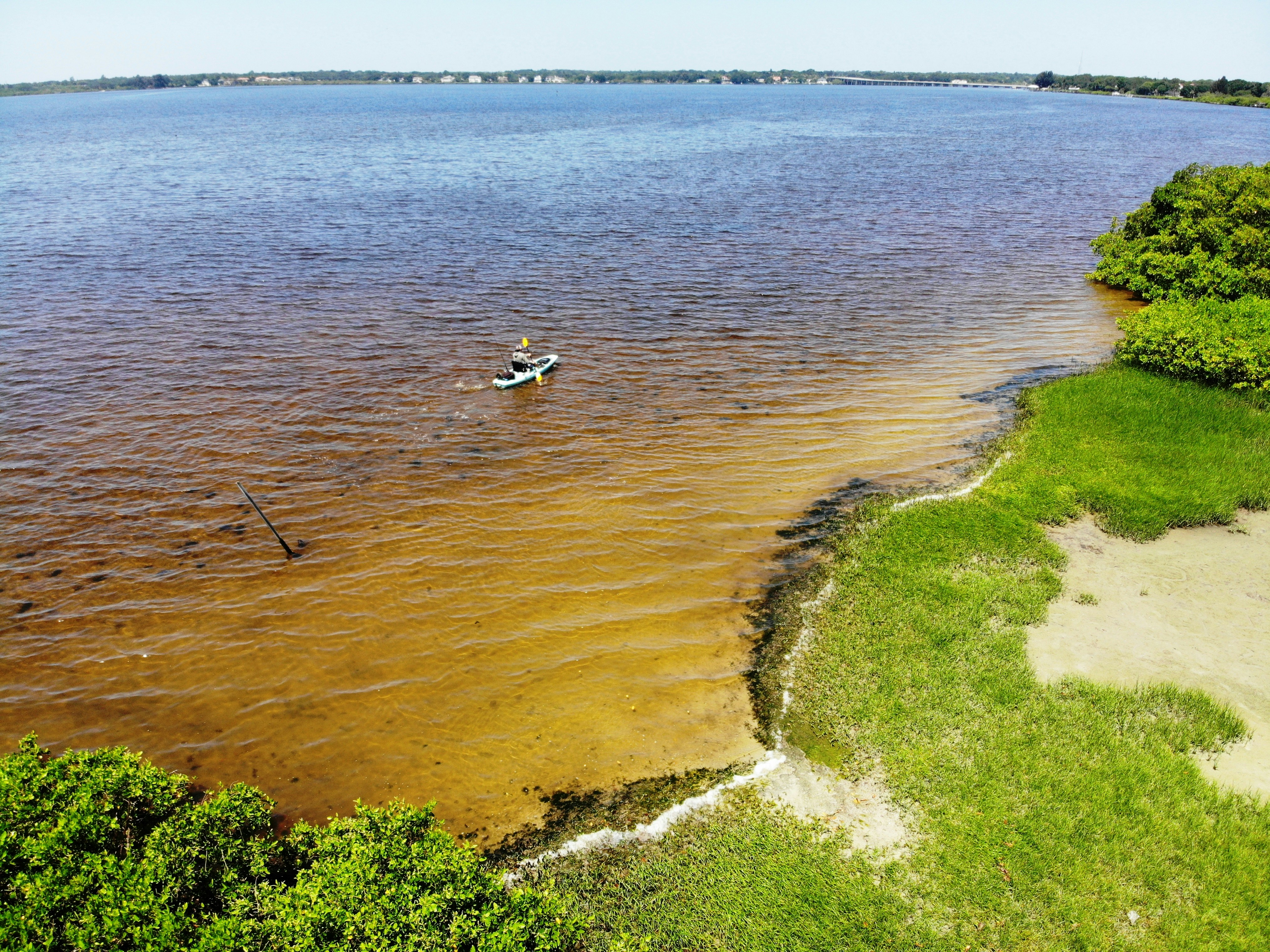
Living shorelines use native vegetation and natural materials, such as marsh grasses and oyster shells, to stabilize eroding shorelines and provide flood buffers. Unlike seawalls and hard bulkheads, living shorelines reduce erosion, adapt to rising seas, and provide critical ecosystem support. Previously, Florida property owners did not have a dedicated general permit for these projects, which made them harder to pursue and implement. A general permit will make it easier for Floridians to choose living shorelines over hard armoring.
FDEP published its Notice of Rule Development on October 20, 2025 and held a public workshop on November 7, 2025. Surfrider participated in the rulemaking workshop and submitted formal comments supporting the permit and recommending ways to strengthen it. We urged FDEP to:
- Keep the list of authorized materials narrow and focused on natural materials: We oppose adding categories with uncertain environmental performance and commend the prohibition on plastic materials in marsh sills, which keeps pollutants out of coastal waters.
- Require native vegetation: We recommended that the permit explicitly require native wetland vegetation from commercial or nursery stock, so that plantings support healthy shoreline ecosystems and do not introduce non-native species.
- Add simple monitoring requirements: A brief report at the end of years one and two (permit number, representative photos, and a short status statement) would give FDEP statewide data on how living shorelines perform and help improve the permit over time, without placing a heavy burden on applicants. Virginia requires similar monitoring.
- Provide technical guidance: Resources such as maps of suitable shoreline types and wave energy zones, native plant options, and design recommendations for different coastal settings can help property owners choose scientifically sound, site-appropriate projects.
- Prioritize offering more nature-based resilience methods: We encouraged FDEP to continue supporting mangrove restoration and plantings, dune and wetland restoration, and other green infrastructure with clear guidelines, regulatory pathways, and education.
In November 2026, FDEP released the Proposed Rule for Living Shorelines. The updated rule incorporates Surfrider’s recommendation for simple monitoring requirements to track the status of living shorelines. The proposed rule does expand some of the materials allowed for use in the marsh sills but continues to prohibit plastic or petroleum products. Surfrider will provide feedback and formal comment to FDEP supporting the proposed rule with a few recommendations for improved clarity and guidance.
This work builds on Surfrider’s long-standing advocacy for nature-based solutions in Florida, including the Coastal Resiliency bill (SB302) that became law in March 2026. This new law directs FDEP to develop rules, permits, and guidance that support a wider range of nature-based resilience options. In January 2027, FDEP will begin more rule development for these nature-based resilience methods including dune restoration, seagrass planting, wetland restoration, and reef restoration. Surfrider looks forward to engaging in these rulemaking processes and supporting the effective implementation of these resilience solutions statewide.
Florida needs resilience solutions that work with nature rather than against it. Surfrider will keep working with FDEP to help deliver an effective living shorelines permit into the hands of Florida communities.
Image Credit: Ward Mercer via Unsplash